
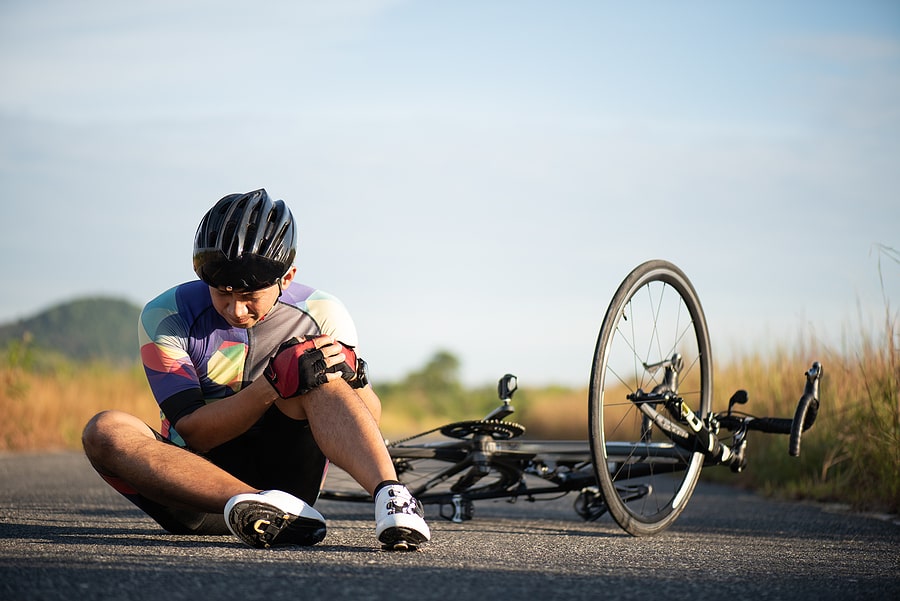
Bicycle Accident Injuries That May Require Long-Term Care
Serious cycling injuries can affect far more than the first few weeks after a collision. A bicycle accident may leave a rider needing repeated treatment, rehabilitation, home assistance, or workplace changes long after the visible wounds have healed. Understanding which conditions often require extended care helps show why the full cost of a claim may not be clear at the beginning.
Brain Injuries Can Change Daily Life for Years
Traumatic brain injuries range from persistent concussions to severe damage affecting memory, speech, judgment, balance, and emotional control. Even a cyclist who wore a helmet may suffer lasting symptoms after striking a vehicle, pavement, curb, or roadside object during a bicycle crash. Long-term care may include neurological appointments, cognitive therapy, medication management, counseling, and help with tasks that once felt routine. Family members sometimes become caregivers when the injured person cannot safely drive, manage money, prepare meals, or live alone.
Spinal
…
Effective emotional regulation tools neurodiverse kids
Practical Emotional Regulation Tools for Neurodiverse Kids from real experience. Learn effective strategies for meltdowns, anxiety, and focus.

Working with neurodiverse children for years, I’ve seen firsthand the unique challenges they face in understanding and managing their emotions. What might seem like a simple feeling for a neurotypical child can be an overwhelming tidal wave for a child with autism, ADHD, or other neurodivergent profiles. My goal has always been to equip these amazing kids with practical, accessible methods to find calm and communicate their needs. It’s not about suppressing emotions, but about providing healthy outlets and strategies for processing them.
Key Takeaways:
- Neurodiverse kids often experience emotions more intensely and require tailored regulation strategies.
- Understanding individual sensory profiles is critical for selecting effective Emotional Regulation Tools for Neurodiverse Kids.
- Visual schedules and social stories offer predictable structures that reduce anxiety and promote emotional readiness.
- Sensory tools, such as

Clarifying NFTs & Digital Asset Ownership Rights legally
Legal aspects of NFTs & Digital Asset Ownership Rights, clarifying what buyers truly own. We examine copyrights, licenses, and the evolving regulatory landscape in the US.

The emergence of non-fungible tokens (NFTs) has fundamentally reshaped how we perceive and interact with digital assets. While the blockchain technology behind NFTs certifies unique digital provenance, it often creates confusion regarding actual ownership rights. My experience in the digital asset space confirms that simply “owning an NFT” does not automatically grant full intellectual property rights to the underlying content. It’s crucial to distinguish between the ownership of the token itself, a verifiable entry on a ledger, and the ownership of the artwork, music, or other media it represents. This distinction is central to understanding the true value and legal standing of these digital items.
Key Takeaways:
- Owning an NFT typically means owning a token on a blockchain, not necessarily the full

Designing Gamified Learning Ecosystems for STEM Success
Learn how to design effective Gamified Learning Ecosystems for STEM success. Real-world insights on implementation and impact.

The drive to improve STEM education is constant, particularly in the US. We often see students struggle with complex concepts or lose motivation due to traditional teaching methods. My experience in educational program development has shown that merely adding a “game” isn’t enough. What truly makes a difference is building a cohesive Gamified Learning Ecosystems for STEM where every element works together to engage, motivate, and educate. This approach moves beyond simple points and badges, focusing on intrinsic motivation and meaningful learning outcomes.
Key Takeaways:
- Effective gamification in STEM requires a holistic ecosystem approach, not just isolated game elements.
- Understanding learner psychology and designing for intrinsic motivation is crucial for sustained engagement.
- Gamified Learning Ecosystems for STEM must integrate practical application and real-world problem-solving.
- Data analytics are vital for monitoring student progress and

Adaptive Testing & Dynamic Assessment Tools for Impact
Optimize learning outcomes and personalize educational journeys with Adaptive Testing & Dynamic Assessment Tools. Real-world impact explained.

Modern learning environments demand more than static evaluations. From my experience in educational technology and talent development, traditional testing often falls short, providing only a snapshot of knowledge. It rarely reveals how someone learns or their potential for growth. This is where Adaptive Testing & Dynamic Assessment Tools become indispensable, offering precise insights into individual learning pathways and capabilities. These tools represent a significant evolution, moving beyond simple recall to measure true understanding and future learning capacity.
Key Takeaways
- Adaptive Testing & Dynamic Assessment Tools personalize the learning experience, tailoring content and difficulty to each individual.
- Adaptive testing dynamically adjusts question difficulty based on prior responses, providing efficient and accurate skill measurement.
- Dynamic assessment focuses on an individual’s learning potential, using intervention and mediation during the assessment process.
- These tools offer deeper